Ficus carica L. [Moraceae]
Latin name: Ficus carica L. [Moraceae]
Seeds available: 500
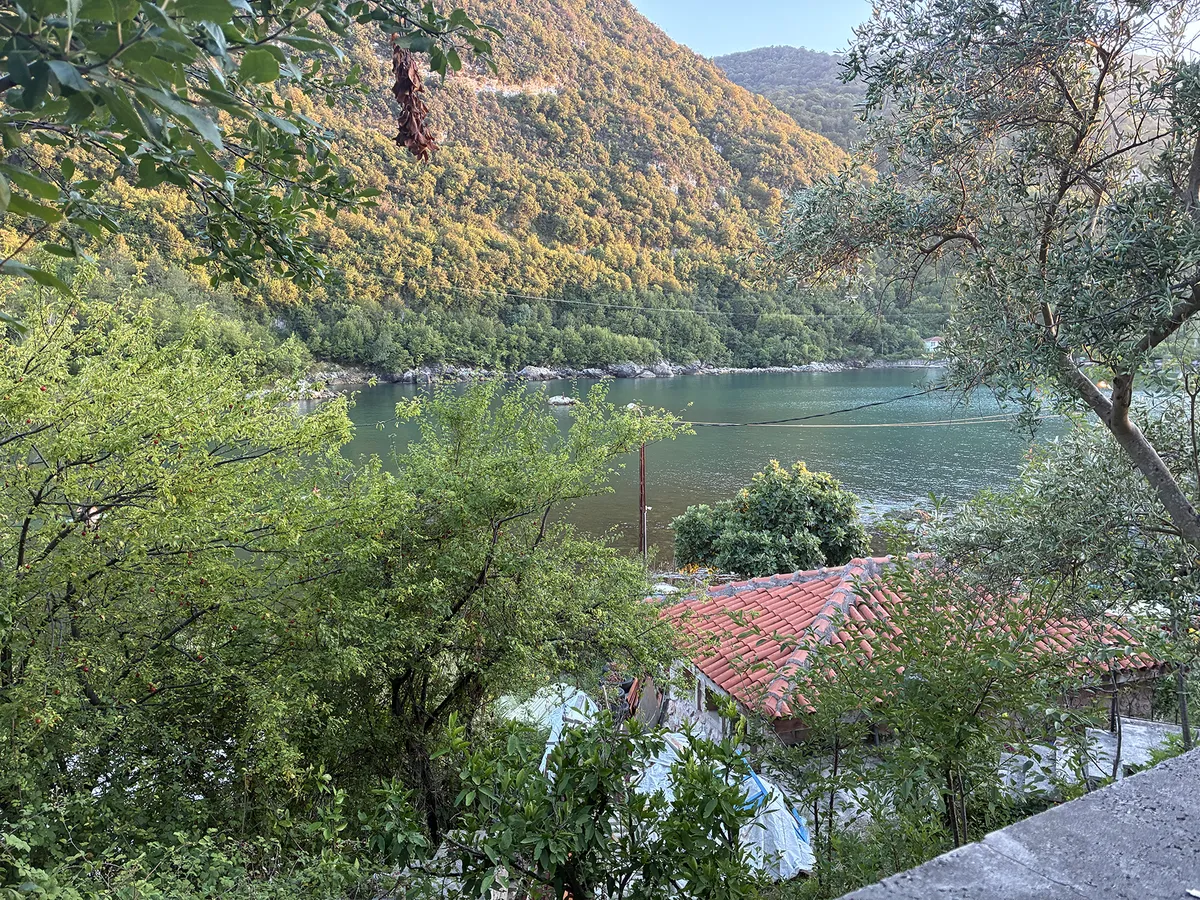
Source place: Gideros Bay, Kastamonu
Local name: İncir
Other names: anjeer, anjeer (khushk dashti), anjeera, anjeir, anjir, anjir sali, anjir zard, anjira, anjoora, anjooramu, anjooru, anjra(khushk dashti), anjura, anjuri, anjuro, anjuru, anzar, anzer, balas, balas arabi, bhadrodumbara, caricae fructus, carique, cevvatti, cimai atti, cimaiyatti, common fig, echte feige, edible fig, engeer, enzar, essfeige, fagari, feige, feigenbaum, fico, ficus carica whole, fig, fig leaf, fig tree, figo, figue france, figueira, figueira-comum, figueira-da-europa, figueira-do-reino, figuier, figuier blanc, figuier commun, fikon, fiku, getfikon, hanjir, higo, higo verde, higos, higuera, higuera común, hoja de higo, ichi-jiku, ichijiku, incir agaci, injeer, injir, inzar, itiziku, jamaica cherry, kakodumbar, lovea si phle, manchi medi, mancimedi, manjimedi, manjul, manjula, medi, modipatu, muhwagwanamu, mì guǒ, nabu, phalgu, piku, poast darakht anjir, pǐn xiān guǒ, raajodumbara, rajodumbara, seemai aththi, seematti, seemayatthi, seeme atthi, seemeyatthi, semaiatti, shima-atti, shimai-atti, shimayatti, shime-atti, shimeatti, simaatti, simaayatti, simaiyatti, simayatti, simeatti, simeyatti, simeyetti, simie attie pullum, sykiá, syskia, tacaiyatti, teen, ten, ten atti, ten-atti, tenatti, tene-atti, teneyatti, theneyatthi, tien, tin, tiān shēng zǐ, udumvara, wu hua guo, wú huā guǒ, wú huā guǒ yè, yìng rì guǒ, συκιά, انجیر, تين, قطين, تين, 品仙果, 天生子, 无花果, 无花果叶, 无花果根, 映日果, 秘果 (source: Medicinal Plant Name Services
Useful Information:A lucrative labour of love - Protecting Türkiye’s Bursa black figs and peaches, from tree to table
FIG GROWING IN EASTERN BLACK SEA REGION (TURKEY) DOI:10.17660/ActaHortic.2003.605.30 (Unfortunately this article from "II International Symposium on Fig" is not open-access and I was unable to read it beyond the abstract. The book is available for purchase via the link above if anyone is interested)
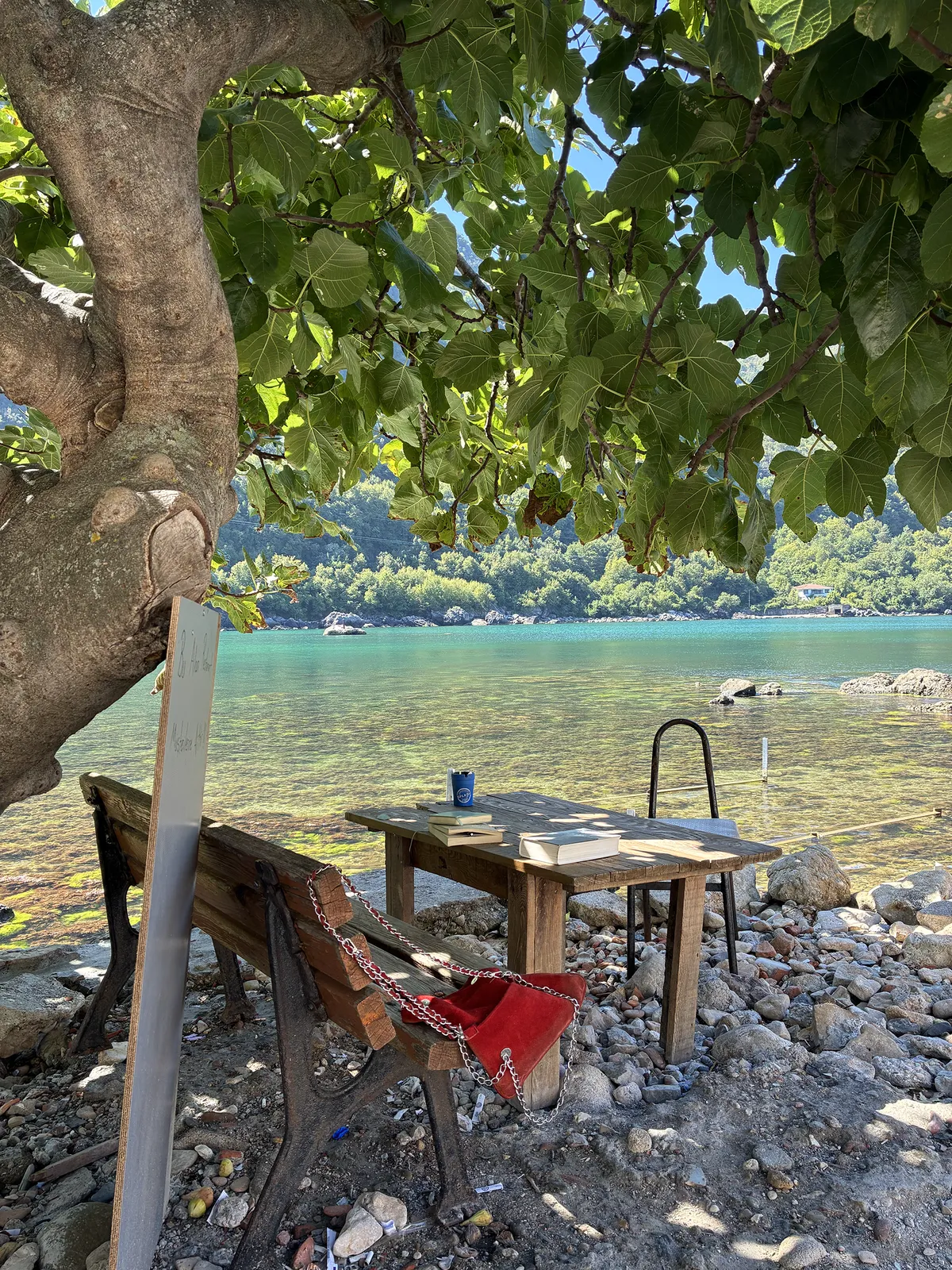
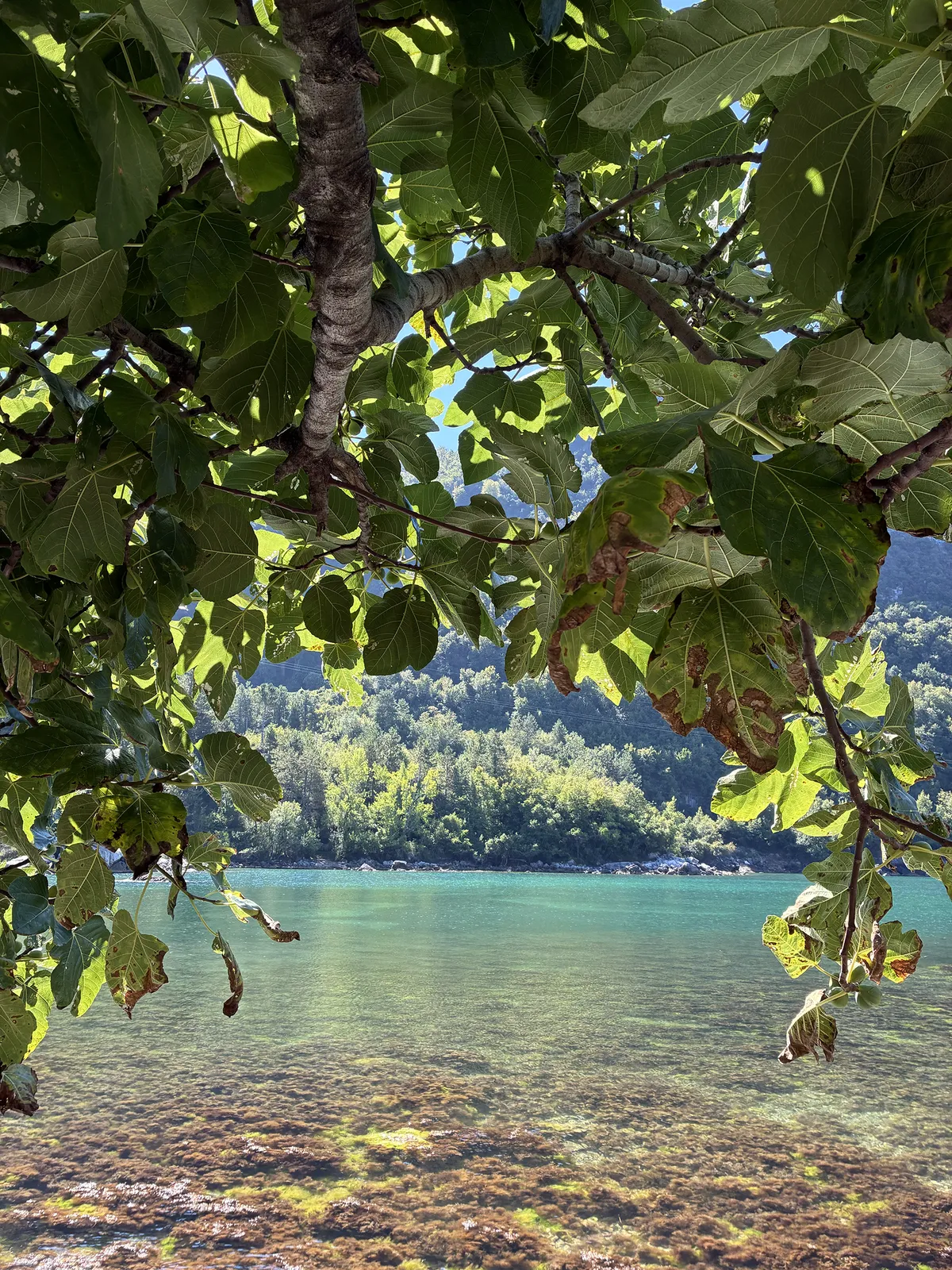
Story: Yvonne and I were camping in Gideros Bay, and had breakfast and dinner and tea under this one tree. That is the source of the seeds. I picked three mature fruits, brought them to our village in the south of Kastamonu, left the fruits out and for three days they were colonized by insects. Then I left the body of the fruits and collected the seeds from there. I hope they grow somewhere.